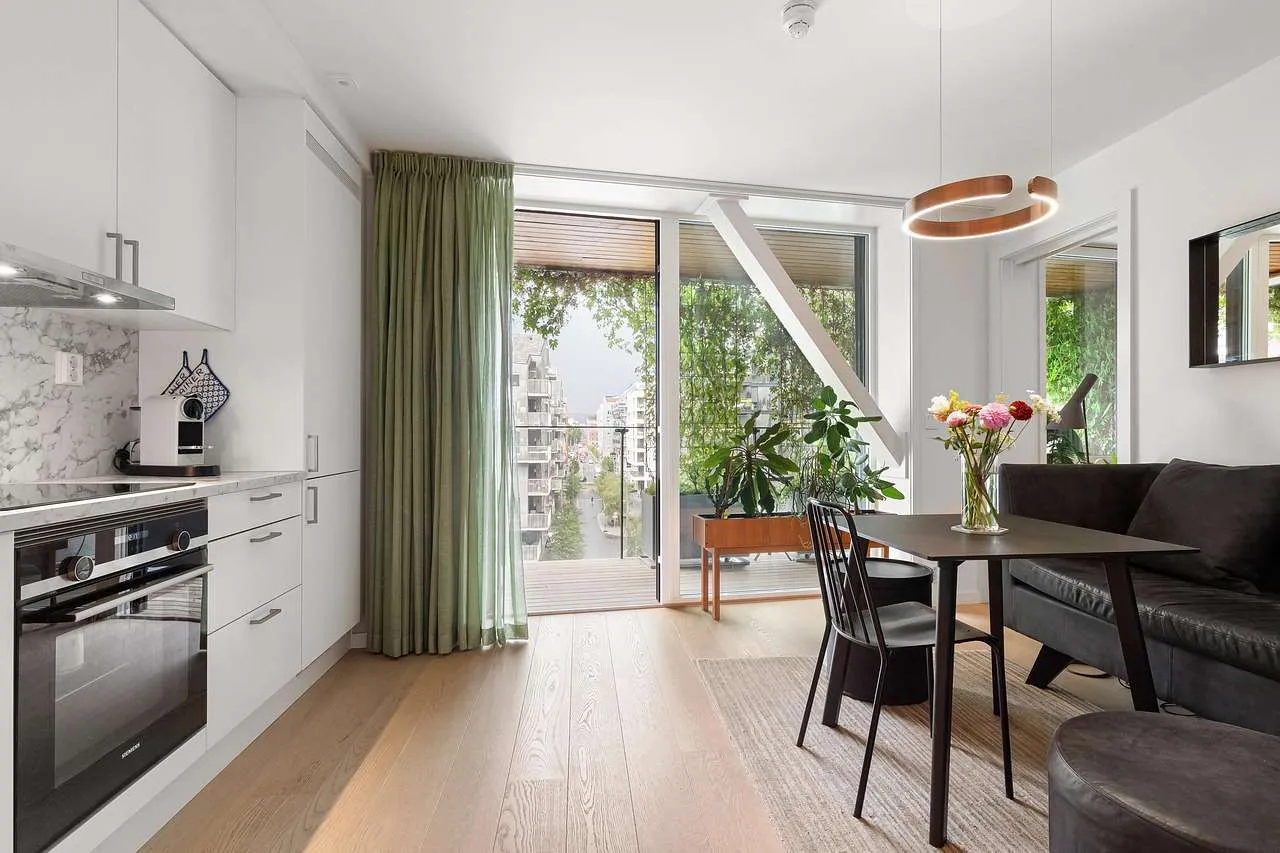
Home window repair is a common task for maintaining comfort, energy efficiency, and safety in any home. With the right approach and safe practices, homeowners can fix many issues quickly without always needing a full window replacement. This guide addresses the typical problems, decision criteria, practical DIY steps, and how to tell when it's time to call a professional.
Recognizing common issues that require home window repair
Drafts at seams or around the frame indicate worn weather seals. Condensation between panes signals a failed insulating gas seal or a cracked pane. Difficulty opening or closing the sash can be caused by stuck hardware, warped wood, or misaligned tracks. Cracked or shattered glass requires immediate attention. Water leaks around the frame show poor flashing or seal failure. For wood frames, rot or termite damage demands careful assessment.
What you can handle yourself
For many windows, you can extend life with weatherstripping, caulking, glazing compound, or replacing worn hardware like balances or hinges. Start by cleaning the tracks, applying high-quality exterior caulk to exterior joints, and sealing any small gaps with appropriate sealant. If a sash sticks due to dirt or misalignment, lubrication and gentle adjustments can restore operation. Replacing weatherstrips and aerating the window reduces drafts and improves comfort. When replacing the glass, ensure you wear gloves and use proper glazing compounds or adhesives.
When to call a professional
Structural damage, rotted frames, or complex glass replacements should be left to licensed pro installers. If you see warped or cracked frames, significant water intrusion, or misaligned sashes that affect security, hire an expert. Also, when dealing with multi-pane insulated glass units IGUs, units with tempered or laminated glass, or units that require measuring and custom cutting, a pro ensures correct fit and safety compliance.
Common repair options and practical steps
Below are practical paths for typical issues, with notes on DIY feasibility and safety considerations.
- Weatherstripping and sealing: Inspect door/window seals, replace worn weatherstrips, and recaulk exterior joints to stop drafts.
- Glazing and glass: For small chips, you can use glazing compound; for larger cracks or pane replacement, consult a pro, especially for tempered or insulated glass.
- Sash and balance repair: Double-hung windows may require balance repair or sash replacement; some steps involve removing the sash and inspecting tracks and balance springs.
- Hardware and locks: Replacing handles, locks, or hinges is often straightforward and improves security.
- Wood frame rot repair: Minor rot can be treated with epoxy fillers, but extensive decay may require frame replacement; consult a professional if structural integrity is in question.
Cost considerations, time, and expected outcomes
Costs vary by window type and extent of damage. DIY materials for weatherstripping, caulking, and basic hardware typically cost under a few hundred dollars for a whole-season repair, while professional services for glass replacement or structural repairs can range higher, depending on window size, frame material, and whether new units are needed. Time frames depend on the scope: simple weatherstripping or sealing can be completed in a few hours, while full frame or IGU replacements may take a day or two, including scheduling and cleanup. A pro often provides a warranty on workmanship and parts, offering longer-term reliability.
Maintenance tips to extend window life
Regular inspections, cleaning, and proactive maintenance preserve performance. Check seals and weatherstripping twice a year; lubricate tracks and hinges with silicone-based lubricants; keep drainage channels clear to prevent water buildup; repaint or seal wood frames to avoid moisture damage; use window coverings to reduce UV exposure that can degrade seals and frames over time.
DIY vs professional: a quick comparison
| Aspect | DIY Approach | Professional Approach |
|---|---|---|
| Safety risk | Lower for minor tasks; glass handling still carries risk | Higher for structural issues; proper handling and codes |
| Cost | Lower materials cost, no labor charges | Higher due to labor and warranty |
| Time to complete | Same day for simple tasks | Several days, due to scheduling and install time |
| Quality and warranty | No formal warranty; results depend on skill | Warranties on workmanship and parts; professional fit typically ensures efficiency |
| When to choose | Minor weatherstripping, recaulk, hardware fixes | Structural damage, major glass issues, misalignment |
Conclusion
Summary: Home window repair blends practical DIY skills with professional expertise. By recognizing signs of failure, choosing appropriate repair paths, and maintaining windows regularly, you can improve comfort, energy efficiency, and safety while protecting your investment. Always prioritize safety, know your limits, and when in doubt, hire a licensed window contractor to ensure proper installation, seal longevity, and a credible warranty.